Imagine a time when coffee was just a simple berry. It all started in the mountains of Ethiopia, where legend says a goat herder named Kaldi discovered the energizing effects of coffee beans. His goats would munch on these berries and frolic around, seemingly full of energy. Curious about what made them so lively, Kaldi decided to try them himself. He felt the buzz and shared the discovery with local monks, who began to brew it for staying awake during long prayer sessions.
As news of this magical berry spread, coffee made its way through the Arabian Peninsula, with Yemen being one of the first places to cultivate and drink coffee. By the 15th century, coffeehouses, called qahveh khaneh, popped up in cities like Mecca and Istanbul. These weren’t just places to sip coffee; they became social hubs where people gathered to talk, exchange ideas, and even enjoy some live music. The coffeehouse culture was born, shaping how people interacted and learned from each other.
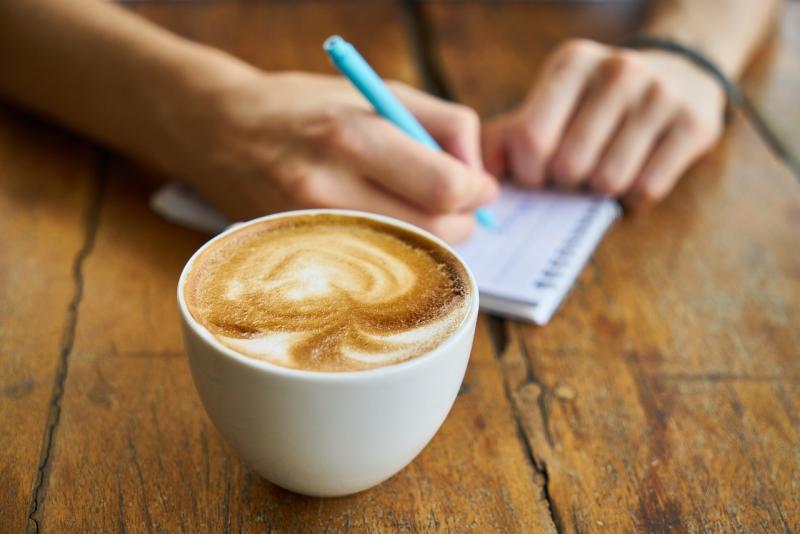
Fast forward a bit, and coffee found its way to Europe. The first coffeehouse in England opened in the 1650s, quickly becoming popular among writers, politicians, and the intellectual elite. These spots became known as "penny universities" because for just the price of a cup of coffee, you could soak in discussions and ideas that shaped society. Coffee was more than a drink; it was a catalyst for conversation and creativity.
As coffee spread further to the Americas, it stirred a different kind of excitement. Coffee plantations began to flourish, which introduced new economic dynamics but also complex issues around ethics and labor. The drink that started with a curious goat herder became a significant player on the global stage, influencing trade, culture, and even politics. Coffee had truly transformed from a simple berry to a worldwide phenomenon, creating community and connection wherever it was enjoyed.
From Bean to Brew
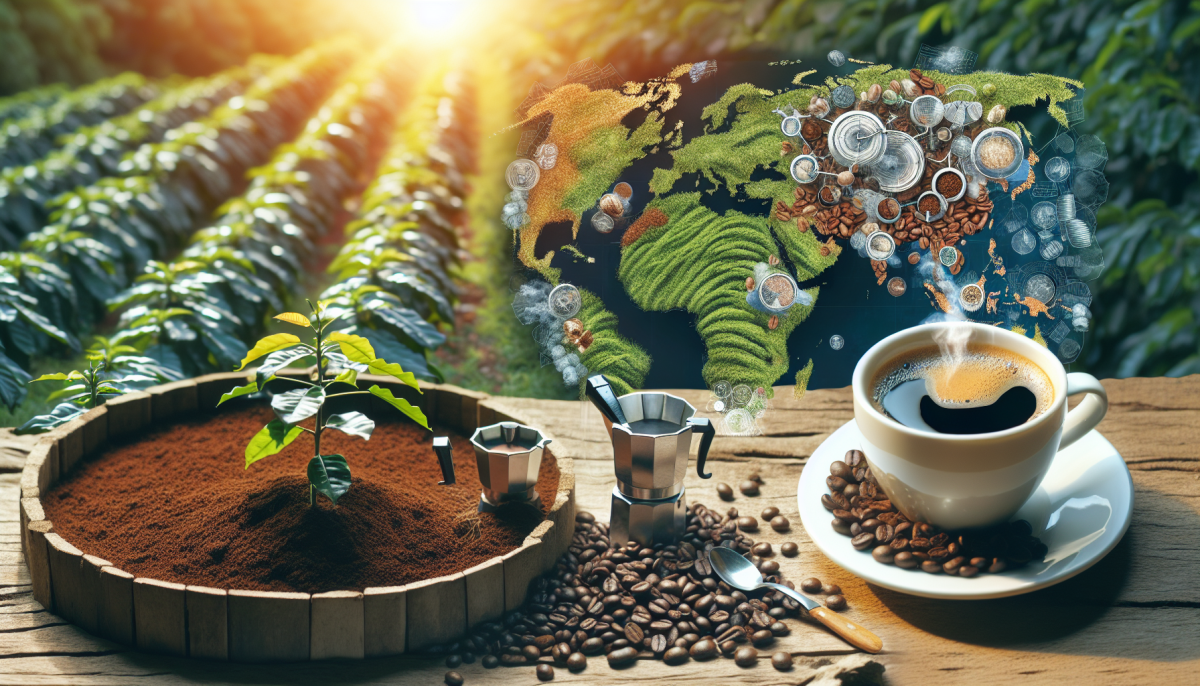
The journey of coffee is quite the adventure, starting from a humble bean and transforming into that delicious cup we all adore. It all kicks off on coffee plantations, where farmers carefully tend to coffee plants, nurturing them under the right conditions. These plants take years to produce cherries, which need to be picked at just the right moment. Timing is everything!
Once the cherries are harvested, it’s time for processing. They go through methods like washing or drying to extract the precious beans inside. This part of the journey is crucial because it affects the flavor profile of the coffee. Each processing technique brings out different notes in the final brew. Imagine tasting different shades of chocolate, fruitiness, or even nuts in your cup—each one tells a story of where it came from.
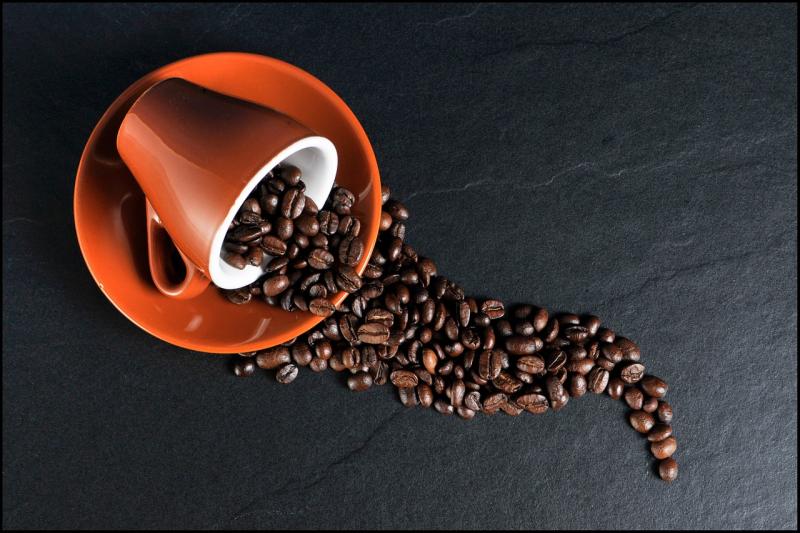
After processing, the beans head to roasters. This is where the magic continues! Roasting transforms green beans into the aromatic brown ones we know and love. Roasters carefully control the temperature and time to develop unique flavors. Whether you prefer something dark and bold or light and fruity, there’s a roast for everyone.
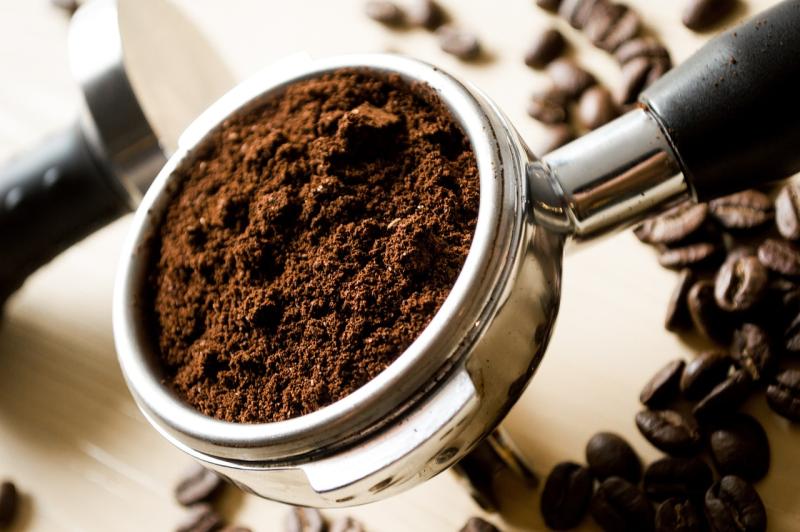
The final leg of the journey is brewing, where baristas or home brewers take over. From espresso machines to pour-over methods, brewing is where personal touch really matters. Each method unlocks different aspects of the coffee's character, allowing you to explore a range of tastes. It’s all about finding what makes your perfect cup!
Global Impact of Coffee Trade
Coffee isn't just a drink; it's a global phenomenon that has shaped economies, cultures, and even social movements. The trade of coffee spans continents, connecting farmers in Brazil to baristas in Italy and consumers in the UK. It's a journey full of twists and turns that impacts millions of lives.
Consider this: coffee is one of the most traded commodities in the world, second only to oil. Countries like Colombia and Ethiopia rely heavily on coffee exports for their economies. When you sip your morning brew, remember it’s not just a caffeine fix. It's supporting farmers and their families, often in regions where options are limited.
The trade also brings challenges. Fluctuating prices and climate change threaten the livelihoods of countless farmers. Many are struggling to adapt farming practices due to unpredictable weather patterns. This means that your favorite coffee blend could be at risk if we don’t pay attention to sustainability and ethical sourcing.
On the flip side, coffee has fostered a sense of community worldwide. Coffee shops are popular meeting places, sparking conversations and connections. Social enterprises are popping up to ensure farmers get fair prices, which empowers communities all over the globe. So when you buy a coffee, you're not just enjoying a great beverage—you're part of a bigger story.
Brewing Connections Across Continents
Ever thought about how coffee connects people around the globe? It all starts with those magical coffee beans. From the lush hills of Ethiopia to the bustling cafes in Italy, coffee isn’t just a drink; it’s a bridge between cultures. Each cup tells a story of tradition, flavor, and the hard work of farmers who nurture those precious plants.
In Ethiopia, legend says coffee was discovered by a goat herder who noticed his goats bouncing around after munching on the beans. This quirky origin tale sparks a love for coffee that still thrives today. Ethiopian coffee ceremonies are a beautiful example of how brewing coffee can bring families and friends together, creating moments that matter.
Fast forward to Italy, where espresso has become an art form. Italians have perfected their brewing methods and turned coffee into a daily ritual. It's where the famous "caffè" culture thrives, showcasing how serving and enjoying coffee can turn into a social experience. Friends chatting over a rich, velvety espresso is a scene that reflects the heart of Italian life.
While traditions vary, every country adds its unique twist to coffee. In Vietnam, they brew it strong and sweet, often served with condensed milk. On the other hand, in Colombia, you'll find some of the world’s finest beans, showcasing the pride of the farmers. It’s amazing how this one beverage can blend so many diverse customs, flavors, and connections.